March is National Pet Poison Prevention Month, a timely reminder for dog parents in Washington, DC, to safeguard their homes, yards, and daily routines. Poison risks can come from common household items, certain plants, human medications, and even local outdoor hazards.
At Metro Mutts, we want pet parents to stay informed and prepared with reliable information. In this guide, we’ll cover the most common poisons, how to prevent exposure, and what to do in an emergency.
Understanding pet poison prevention for DC dogs is especially important in an urban environment like Washington, DC, where shared green spaces, apartment buildings, sidewalks, and high foot traffic increase the chance of accidental exposure.
What Is Pet Poison Prevention Month?
Pet Poison Prevention Month is recognized every March to raise awareness about the risks toxins pose to pets. It is supported by the ASPCA Animal Poison Control Center, the nation’s leading authority in pet toxicology. This annual campaign encourages pet parents to review what’s safe and what may be dangerous in their homes and neighborhoods.
Many poison exposures are accidental. A dropped pill, an unattended trash can, or a decorative plant can quickly become a serious health threat. March is the perfect time to do a safety audit of your living space and daily habits, ensuring you know what to avoid and how to respond if something goes wrong.
In 2024, the ASPCA Animal Poison Control Center responded to more than 400,000 calls about toxic substance exposures, underscoring how frequently pets encounter potentially dangerous items in everyday environments.
Reviewing the Top 10 Pet Toxins of 2024 serves as an important reminder for pet parents to stay alert to common household hazards and take proactive steps to prevent accidental poisoning.
If you suspect your dog has ingested something toxic, time matters. The ASPCA Animal Poison Control Center operates a 24-hour hotline staffed by veterinary toxicology experts who can provide immediate guidance.
ASPCA Poison Control Phone Number: (888) 426-4435
This service is available 24/7, 365 days a year. A consultation fee may apply, but it connects you directly with professionals trained to assess the specific substance involved and recommend next steps.
In a poisoning emergency, accurate information can make all the difference. Save this number in your phone now, not later.
Common Pet Poisons in DC Homes and Neighborhoods
Toxins aren’t limited to rare or unusual substances. Many everyday products can harm dogs.
Household Items
Cleaning supplies such as bleach, disinfectant sprays, and laundry pods can cause severe gastrointestinal or respiratory irritation if ingested. Rodenticides and insect baits are especially dangerous, as they are designed to be attractive to animals. Batteries and certain essential oils may also pose serious risks.
In apartment buildings and rowhomes throughout DC, shared spaces may contain pest control products or chemical cleaners you didn’t personally purchase, underscoring the importance of awareness.
Human Medications
One of the most common causes of pet poisoning is human medication. Over-the-counter drugs like ibuprofen and acetaminophen can cause life-threatening complications in dogs. Cold and flu medications, antidepressants, and prescription heart medications are also highly toxic if swallowed.
Even a single pill dropped on the floor can be enough to cause harm, especially for small breeds.
Toxic Foods
Certain foods that are safe for people can be extremely dangerous for dogs. These include:
- Grapes and raisins
- Chocolate
- Xylitol, a sugar substitute found in gum and some peanut butters
- Onions and garlic
- Alcohol
- Caffeine
- Xylitol is particularly dangerous because it can cause a rapid drop in blood sugar and liver failure.
Plants to Avoid
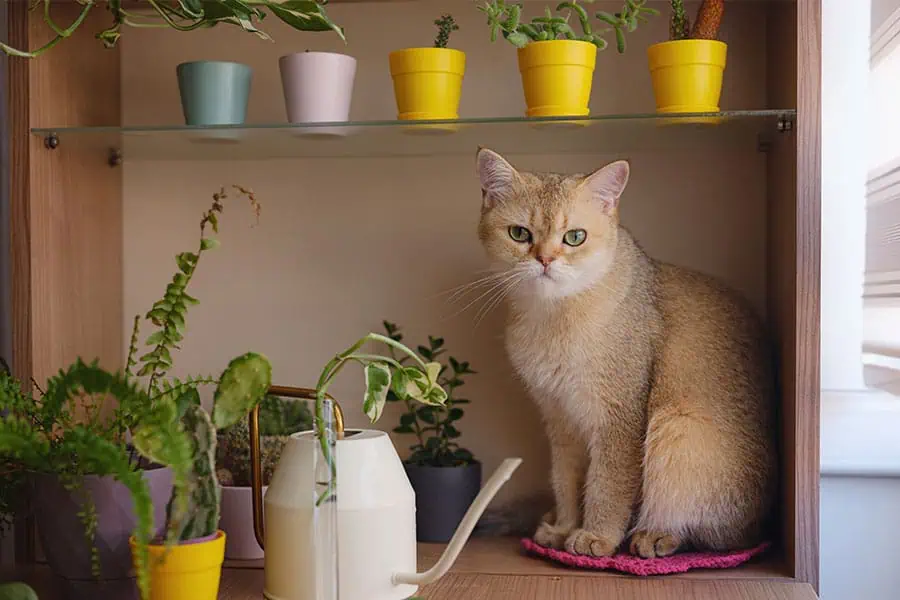
Indoor and outdoor plants can also be toxic. Sago palm is one of the most dangerous ornamental plants for dogs. Other plants to be cautious about include azaleas, tulips, daffodils, and many tropical houseplants.
When in doubt, research a plant before bringing it into your home or garden.
Things You May Not Have Known Were Poison to Your Pet
Some hazards are less obvious but just as serious.
- Cocoa mulch, often used in landscaping, contains compounds similar to chocolate and can be toxic if ingested.
- Certain sugar-free baked goods may contain xylitol even if they are labeled “natural.”
- Essential oil diffusers, while pleasant for humans, can irritate a dog’s respiratory system if exposure is concentrated.
- Even winter ice melt and spring lawn treatments used in DC neighborhoods can irritate paws and cause illness if licked off.
Being proactive about checking ingredient labels and monitoring outdoor exposures is a key part of responsible pet care.
Dog Poisoning Symptoms to Watch For
Recognizing symptoms early can save your dog’s life. Signs of poisoning may include:
- Vomiting or diarrhea
- Excessive drooling
- Tremors or seizures
- Lethargy or collapse
- Pale gums
- Irregular heartbeat
If your dog suddenly seems disoriented, weak, or distressed, do not wait. Contact your veterinarian or call the ASPCA Animal Poison Control Center at (888) 426-4435 immediately.
How to Store Hazards Away from Your Pets
Prevention starts with smart storage and daily awareness.
Store all medications, vitamins, and supplements in high, locked cabinets. Keep cleaning supplies secured and never leave them unattended while in use. Trash cans should have tight-fitting lids or be kept inside cabinets. Avoid leaving grocery bags, purses, or backpacks within reach, as these often contain food, gum, or medication.
When purchasing lawn treatments or pest control products, confirm they are pet-safe and follow label instructions carefully. After applying any outdoor treatment, allow the product to dry completely before letting your dog outside.
Small adjustments can drastically reduce risk.
Pet-Safe Dog Walking and Monitoring with Metro Mutts
At Metro Mutts, safety is always our top priority. Our experienced dog walkers understand that pet poison prevention for DC dogs extends beyond the home.
We avoid areas treated with visible chemicals, scattered trash, or suspicious debris. During walks and visits, we monitor for unusual behavior such as sudden lethargy, drooling, or gastrointestinal distress. If your dog shows signs of discomfort, we contact you right away.
DC sidewalks, parks, and shared green spaces can contain hidden dangers. Having a trained professional who understands these risks provides added peace of mind.
Keep This Number Handy
ASPCA Poison Control Hotline: (888) 426-4435 is available 24 hours a day, 365 days a year. It is the most reliable resource for any pet poison emergency. Do not wait. Quick action can save your pet’s life.
Keep Your Dog Safe During Pet Poison Prevention Month
Pet poisonings are preventable with education, awareness, and consistent habits. Whether you’re at home, enjoying a DC park, or walking through your neighborhood, staying informed about common toxins protects your dog from unnecessary risk.
Pet Poison Prevention Month is the perfect time to review your home safety plan, update emergency contacts, and make small changes that create a safer environment for your dog. Metro Mutts DC is proud to support your pet’s safety every day of the year.
Stay ahead of potential risks. Book weekly dog walks with Metro Mutts and let our trained team help protect your pet with safe, professional care.