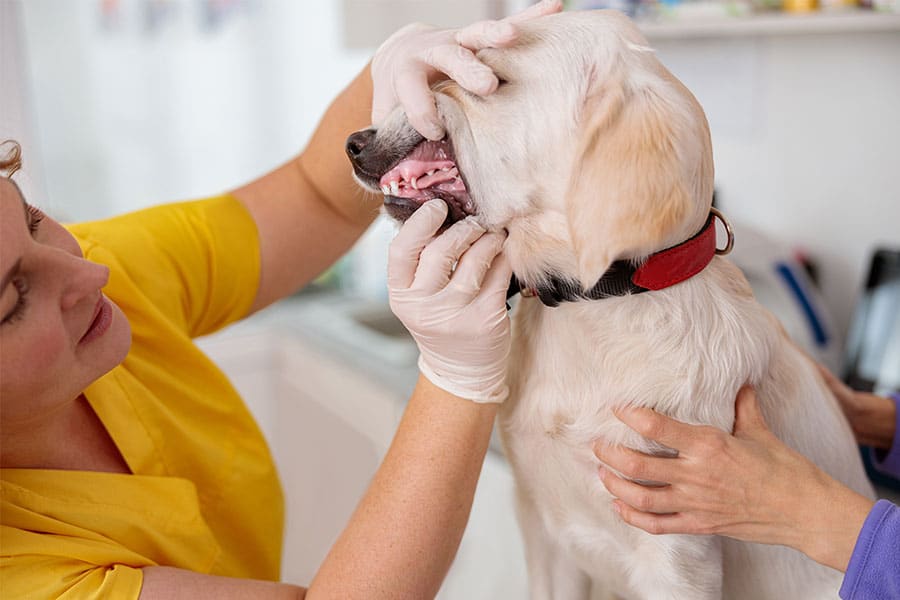
February is officially recognized as Pet Dental Health Month, a national campaign led by the American Veterinary Medical Association (AVMA) to raise awareness about the importance of your dog’s oral health. Dental disease is one of the most common yet overlooked health problems in dogs. Left untreated, it can lead to chronic pain, inflamed gums, tooth loss, and even serious issues involving the heart, liver, and kidneys.
Whether you’re brushing your dog’s teeth at home or scheduling a professional cleaning with your vet, focusing on oral care this month can help prevent future complications and ensure your pup stays healthy and happy year-round.
How Dental Disease Affects Dogs
According to veterinary dental specialists, over 80% of dogs over the age of three already show signs of periodontal disease. This condition develops when plaque turns into tartar and begins to affect the tissues supporting your dog’s teeth.
Early signs include:
- Persistent bad breath
- Yellow or brown buildup along the gumline
- Red or bleeding gums
- Drooling or chewing only on one side
As the disease progresses, it can cause gum infections, tooth root abscesses, loose or missing teeth, and damage to the jawbone. In some cases, oral bacteria can enter the bloodstream and cause systemic infections, placing additional strain on organs such as the heart and kidneys.
The good news? Most dental disease is entirely preventable with early intervention and consistent care.
What Is Pet Dental Health Month and Why It Matters
The AVMA created Pet Dental Health Month to encourage preventive oral care and improve pet wellness nationwide. February is the perfect time to raise awareness, talk to your vet, and develop better dental hygiene habits at home.
Many veterinary clinics participate in the campaign by offering:
- Complimentary dental evaluations
- Discounts on cleanings
- Promotions on dental products like brushes, rinses, and chews
Taking advantage of these seasonal services not only helps your pet but also makes oral care more accessible and affordable for pet parents in Washington, DC.
At-Home Dog Dental Care Tips
You don’t have to wait for your vet to take action. Practicing good oral hygiene at home is one of the best ways to keep your dog’s mouth clean between professional cleanings.
Here are some easy steps to start with:
- Brush daily or a few times per week with a dog-specific toothbrush and pet-safe toothpaste (never use human toothpaste, which can be toxic to pets).
- Use a finger brush if your dog is sensitive to bristles. Start with short sessions while rewarding calm behavior.
- Incorporate dental chews or water additives that are approved by the Veterinary Oral Health Council (VOHC) to help reduce plaque buildup and freshen breath.
Consistency is key. Even brushing a few times a week can make a meaningful difference over time.
When to See a Veterinarian
While at-home care is essential, there are times when professional help is necessary. Your veterinarian can perform a full oral exam, assess your dog’s dental health, and recommend a cleaning under anesthesia if needed.
Here are signs it’s time to call your vet:
- Persistent bad breath that doesn’t improve
- Bleeding or inflamed gums
- Loose or missing teeth
- Difficulty eating or chewing
- Pawing at the mouth or sudden food refusal
Professional dental cleanings allow your vet to remove plaque below the gumline, polish teeth, and check for damage that can’t be seen during a regular exam.
If your vet recommends an annual dental exam and cleaning, don’t delay; early treatment can save your dog from pain and prevent expensive procedures down the road.
How Metro Mutts Can Support Your Dog’s Health Routine
While Metro Mutts doesn’t provide veterinary services, we play an important role in your dog’s overall wellness routine. Our trained dog walkers and pet care team members are often the first to notice subtle behavioral changes that may indicate discomfort or pain.
Here’s how we help:
- During walks and visits, we monitor for signs of distress, such as changes in eating habits, excessive drooling, or avoiding chew toys.
- We communicate with pet parents if we observe anything unusual, including swelling around the mouth or signs of oral pain.
- Our reliable, routine care supports your dog’s health by keeping their body active and their schedule consistent, important components of a well-rounded wellness plan.
We’re proud to partner with pet parents to support dogs’ health in every way possible, especially during key awareness months like this one.
Make Pet Dental Health Month a Priority
Taking care of your dog’s teeth isn’t just about fresh breath; it’s about protecting their quality of life. Dental disease can be painful, dangerous, and expensive if left unchecked. But with a few simple changes, you can make a big difference in your dog’s long-term health.
During Pet Dental Health Month, consider:
- Scheduling a dental checkup or cleaning with your vet
- Starting a toothbrushing routine at home
- Exploring vet-approved chews and rinses
- Learning to recognize the early warning signs of oral disease
And while you’re focusing on health from nose to tail, let Metro Mutts help you stay on top of your dog’s daily care and routines.
Contact your veterinarian to schedule a dental health checkup this Spring and rely on Metro Mutts to help support your dog’s daily care and wellness routines.