Halloween is the ultimate fun celebration, but it can also be a dangerous time for our pets. While humans view it as a time for family bonding, yummy treats, and adorable photo ops, our dogs and cats may experience the holiday differently.
Candy bowls contain tempting but toxic treats. Chocolate in any form and candies with the artificial sweetener xylitol should be off-limits for pets, as these foods can prove fatal. Not to mention, a sea of trick-or-treaters in crazy costumes can frighten our furry friends.
Doorbell chaos is another Halloween-related factor that can be a source of stress for pets. So, it is important to protect our canine and feline companions from the potential hazards that the festive holiday may bring. Holiday pet safety in DC is easier with help from Metro Mutts.
Metro Mutts is a pet sitting service you can trust. We understand that Halloween can be challenging for pet parents, so it is crucial to have accurate information on how to keep your pets safe during the spooky season. Metro Mutts in DC is a dog walking and cat sitting company that has helped pets through the busy holidays since 2009.
We have the experience and wisdom to steer you in the right direction. Keep DC pets safe this Halloween with our tips on toxic candy, safe costume fit, and managing trick-or-treat stress. Metro Mutts is not only the best pet sitting service for your furry friends, but also your trusted source for advice on pet-related topics.
Toxic Halloween Candy to Keep Out of Reach
According to the ASPCA’s recommendations on ‘What to Do If Your Pet Gets Into Chocolate, “Chocolate contains a compound called theobromine that dogs are sensitive to. Theobromine is in the same class of compounds as caffeine, so when dogs ingest chocolate in large quantities, the theobromine may cause hyperactivity, an increase in heart rate, muscle tremors, and seizures.”
Milk chocolate is dangerous for pets, but dark and baking chocolate is even more hazardous. The darker the chocolate, the riskier it is for our dogs and cats to ingest. Cocoa powder and baking chocolate contain higher levels of toxic compounds than other chocolate varieties.
Since our dogs and cats process these hazardous chemicals much more slowly than we do, dangerous levels can quickly build up in their bodies, leading to dangerous symptoms and/or severe health complications. Chocolate overstimulates their nervous systems and hearts, triggering these symptoms. Some of the signs of chocolate toxicity in pets:
- Seizures
- Hyperactivity
- Heavy panting
- Muscle tremors
- Vomiting/diarrhea
- Elevated heart rate
- Excessive thirst/urination
- Uncoordinated movements
Ingesting any chocolate can have serious consequences for our furry friends, including pancreatitis, which is the inflammation of the pancreas. Pancreatitis is often caused by high-fat foods or greasy table scraps, which can trigger sudden inflammation. If your pet ingests enough chocolate, heart failure or even death can occur.
Xylitol is a sugar alcohol that is used as an artificial sweetener. It can be found in sugar-free candy and gum. Dogs can develop health complications when they eat any food containing xylitol. Because xylitol is absorbed quickly into our canine companions’ bloodstream and can remain in their system longer, it can dangerously lower blood sugar levels.
The rapid reduction in blood sugar can result in hypoglycemia, which can be life-threatening. Not to mention, it can also lead to liver failure. If you suspect your dog or cat has eaten anything containing xylitol, take them to the vet or emergency animal hospital immediately. Symptoms start extremely fast and can result in a fatal outcome. Always keep the candy bowl off the floor and out of paws’ reach.
Also, tell children and guests not to offer your furry friend treats like these, which may prove harmful. Save the candy wrapper so your vet knows what they ingested and how much. Leftover candy wrappers can also pose a hazardous choking or blockage risk, even when the candy itself is not toxic. Severe gastrointestinal damage can occur since the wrapper material is indigestible. Keep Halloween candy hidden or stored securely.
Choosing a Safe Costume
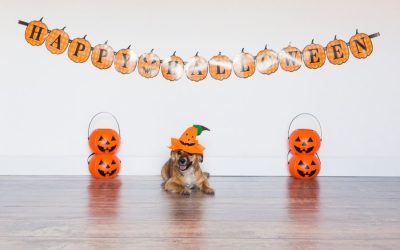
When it comes to pets and Halloween costumes, make sure your pet is comfortable with wearing one before dressing them up for the spooky holiday. The American Kennel Club suggests that you may “Consider sticking to one holiday-themed accessory rather than putting together an entire ensemble. If you do decide to go with a unique outfit, leave it on your dog only long enough to snap a quick few pictures.”
To determine whether your dog or cat is safe in a Halloween costume, make sure it lets your pet move normally and can walk, run, sit, bark, or meow without restrictions. Keep in mind that dangling items on costumes, such as bells, strings, or bows, can be chewed off and swallowed, potentially causing life-threatening choking or intestinal blockage issues.
Overheating can also occur if the costume is made of thick, heavy material, covers your pet’s face, or fits too tightly. Make sure your furry friend is cool enough and can breathe comfortably. Also, check to make sure they can see clearly, and avoid full- face masks or hats that prevent normal vision and cause extreme stress and/or anxiety. Dogs and cats can feel trapped and unable to navigate their surroundings.
Instead of a full-face mask, try a simple, festive accessory, such as a holiday-themed bandana or collar. No matter how adorable and fun a pet costume may seem, forcing one on a stressed pet can cause fear and confusion, physical discomfort, or safety risks. If you see signs that your pet cannot handle wearing the costume, take it off immediately and try a simple accessory instead.
Dog costume safety involves several factors. As long as your dog is comfortable in their costume, there is no reason why they cannot join in the fun and festivity of the spooky season. The most important aspect of pet costume safety is making sure their airways are unrestricted and they do not appear visibly uncomfortable.
What to avoid when choosing a pet Halloween costume:
- Hats
- Bows
- Beads
- Buttons
- Sequins
- Face masks
- Loose strings
- Non-breathable materials
Remember, pets can become frantic if their vision is somehow blocked, and suffocation can occur if their vital airflow is cut off. Pet parents should avoid any costume that does not fit properly or poses choking hazards.
Loosely attached decorations, including beads, bells, or sparkly sequins, can be easily pulled off by your pet’s teeth or paws and swallowed whole, so a simple, fun alternative like a Halloween-themed bandana may be the best, hassle-free option.
Metro Mutts also recommends fun DIY Halloween costume ideas, such as cutting eye holes in a lightweight cotton sheet and covering your dog to turn them into a spooky ghost. You can also dress them in a cozy orange dog hoodie for warmth, “with green leaves and a stem on the hood.” This easy, comfortable costume will turn your dog into a “pumpkin pup.”
Managing Doorbell Stress and Trick -or- Treaters
The persistent ringing of the doorbell and the arrival of strangers in costume can be extremely stressful for our furry friends. Even social pets can feel nervous or overstimulated by loud sounds or crowds of unfamiliar faces. Dogs view their home as their territory. Every sudden knock or doorbell ring can trigger their natural instincts to protect their home.
The ASPCA offers Halloween pet safety tips. They suggest that pet parents provide a quiet, comfortable retreat for your dog or cat “away from the front door during peak trick-or-treating hours.” A separate room or crate will suffice. Metro Mutt highlights the importance of Halloween safety and fall season care tips for dogs: “Taking precautions with costumes, decorations, and an influx of visitors is important.”
Keeping pets identifiable is a priority during Halloween, as extra noise and the frenzy of traffic can easily startle pets and cause them to bolt out the door. Pets are at higher risk of escaping on Halloween than on an ordinary day. Proper identification and proven tracking methods are key. Ways to make sure your four-legged friend can easily be spotted during the ghostly holiday:
- Smart tags
- GPS tracker
- Reflective vest
- Pet-safe glow sticks
- Up-to-date microchip
- Standard collar and ID tag
The ASPCA also adds that there are “plenty of fun, cute, and even Halloween-themed pet IDs to pick from.” Make sure the tag has your current phone number and address. A reflective collar will also keep your pet visible to drivers and pedestrians on Halloween night, especially after dark. Secure identification increases the chance that your pet is returned safely.
It is easier than you think for a dog to slip out of the front door and go missing quickly. The good news is that modern technology offers a wide variety of tools to help spot and catch our furry friends if they get loose. The three most essential rules of trick-or-treat pet safety are to keep all candy out of paws’ reach, be mindful of costume caution, and utilize effective ways to keep your furry friend visible.
If a Pet Gets Into Candy or a Costume Piece
If you suspect your dog has ingested Halloween candy or any other toxic substance, contact a veterinarian or the ASPCA Animal Poison Control Center right away. Metro Mutts directs pet parents to call the 24-hour hotline, “staffed by veterinary toxicology experts who can offer immediate guidance.”
Also, the more information you can provide, the better. Keep the candy wrappers so you can identify what your pet ingested and how much. The number for the ASPCA Animal Poison Control Center is: (888) 426-4435. Metro Mutts also advises you to “save this number in your phone now, not later.”
Protect Your Pup from Halloween Hazards for a Sweet and Safe Holiday
With careful preparation and a proactive approach to pet safety, our pets can celebrate Halloween with the whole family. Refer to our tips on keeping toxic candy away from your dog, practicing creative caution with pet Halloween costumes, and managing doorbell stress and the steady stream of trick-or-treaters. You and your four-legged family members deserve a happy Halloween filled with yummy treats and zero scares!
Schedule a Metro Mutts Visit for a dog walker or pet sitter. Or, if you need us to check in on your dog during peak trick-or-treating hours, feel free to reach out. We are happy to help pet parents and provide any support you and your furry friend need during the spooky season and all year round!