
Cats are often the “second pet” in dog-loving households. While dogs typically take center stage with walks, training, and outdoor adventures, cats can quietly fade into the background. Yet their needs are just as important, even if they express them differently.
For many pet families with cats and dogs, the challenge lies in balancing two very different care styles. Dogs thrive on structure, routine, and social interaction, while cats depend on independence, territory, and mental stimulation. Without intentional planning, cat care can become reactive rather than proactive.
At Metro Mutts DC, we’re known for reliable dog walking services, but we also understand the importance of caring for the entire pet family. Many pet parents ask, “How do I care for my cat when I also have a dog?” The answer starts with awareness and small daily habits that prioritize both animals equally.
This guide explores how to practice true cat appreciation for dog families, offering practical ways to support your cat’s well-being while maintaining your dog’s routine.
The Hidden Needs of Cats in Multi-Pet Homes
Cats are often labeled as low-maintenance, but that can be misleading. While they may not require daily walks or constant supervision, cats still have specific needs that must be met to keep them healthy and content.
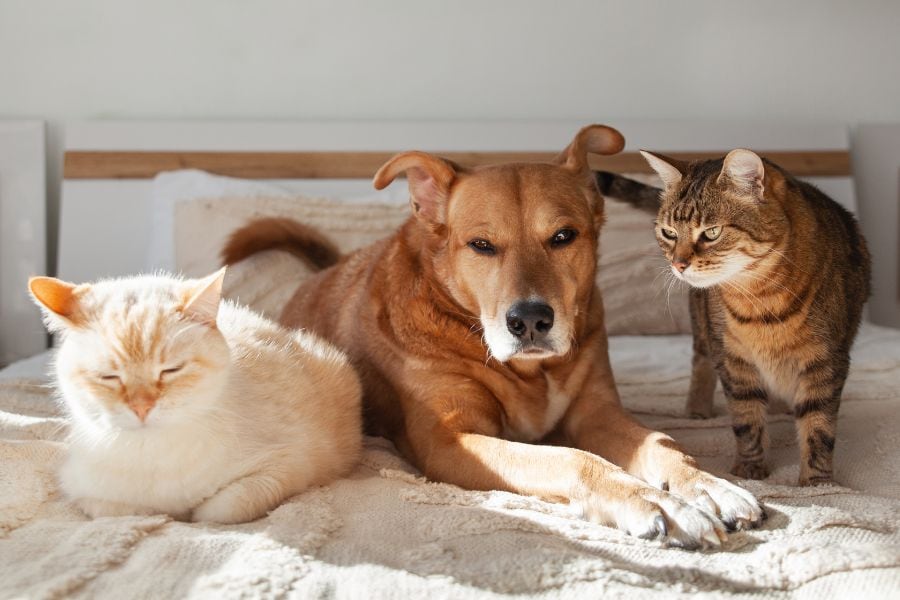
In multi-pet household management, one of the biggest challenges is recognizing that cats and dogs operate differently. Dogs are naturally social and tend to be outwardly engaged, while cats are more independent and territorial. This means cats rely heavily on environmental enrichment rather than direct interaction alone.
Indoor cat care requires thoughtful attention to:
- Vertical space for climbing and observing
- Quiet areas for rest and retreat
- Mental stimulation through play and exploration
Without these elements, cats can experience stress, boredom, or behavioral issues. In homes where dogs dominate attention, cats may withdraw or become more reactive.
It’s also important to understand that independence is a strength in cats, not a sign of disinterest. A cat that spends time alone isn’t necessarily neglected, but they still require regular engagement, enrichment, and observation. Cat exercise may look different from a dog’s walk, but it is just as essential.
When pet parents shift their mindset from “low maintenance” to “different maintenance,” they create a more balanced and supportive environment for every animal in the home.
Creating Separate Enrichment Spaces
One of the most effective ways to support cats in multi-pet homes is by giving them their own dedicated spaces. Cats thrive when they have areas that feel safe, elevated, and separate from dog activity.
Vertical territory is especially important. Cat trees, wall-mounted shelves, and climbing pathways allow cats to move freely above ground level, which naturally reduces stress and gives them a sense of control over their environment. In busy households, these elevated spaces become essential safe zones.
Equally important are quiet retreat areas. Whether it’s a spare room, a corner with a cozy bed, or a tucked-away nook, your cat should always have access to a place where they can relax without interruption.
For added enrichment, consider:
- Window perches that provide visual stimulation from outside
- Interactive toys that encourage independent play
- Puzzle feeders that engage their problem-solving instincts
These tools help fulfill a cat’s need for both mental and physical activity, even when you’re focused on your dog’s routine.
For pet parents wondering, “How can I give my cat their own space when I also have a dog?” the answer is to think vertically and strategically. Even small apartments can be adapted with shelves, perches, and designated cat zones.
Creating these spaces doesn’t just benefit your cat. It also improves harmony in the home by reducing tension and giving each pet the room they need to thrive.
Daily Routines That Work for Both Pets
Consistency is one of the most powerful tools in any multi-pet household. Establishing a predictable routine helps both cats and dogs feel secure, reduces stress, and prevents behavioral issues.
Dogs often anchor the daily schedule with walks, feeding times, and outdoor activity. The key is to build your cat’s care into that same structure rather than treating it as an afterthought.
For example:
- Schedule dedicated cat play sessions before or after your dog’s walks
- Feed pets in separate areas to avoid competition or stress
- Use consistent timing for meals, play, and rest
A well-balanced multi-pet routine ensures that both animals receive attention tailored to their needs.
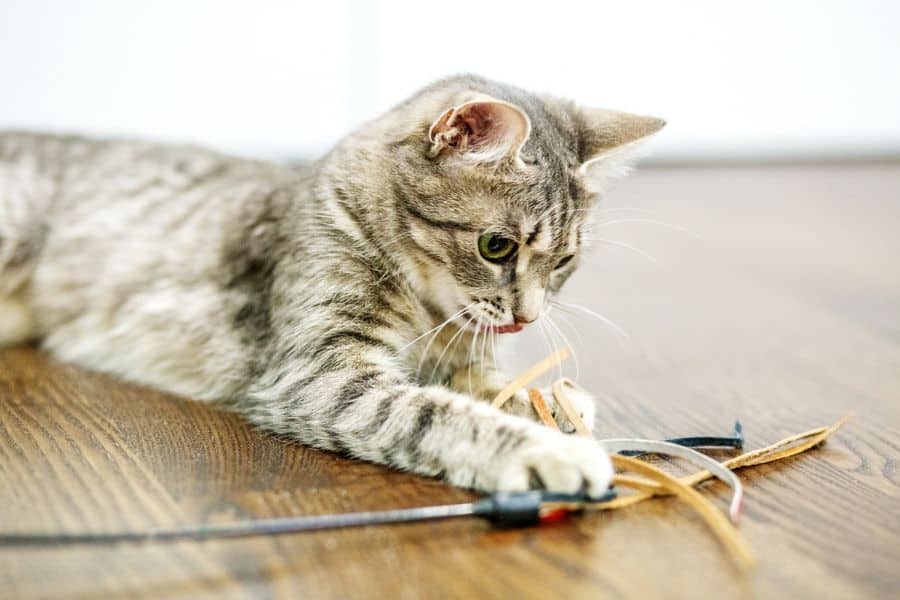
While your dog gets their mid-day walk, your cat benefits from intentional one-on-one time. Even short sessions of interactive play, such as using a feather wand or laser toy, can provide valuable stimulation and strengthen your bond.
A structured pet household schedule also helps prevent overstimulation. Dogs can be energetic and persistent, which may overwhelm a cat if boundaries aren’t maintained. By creating clear rhythms throughout the day, you help both animals feel safe and relaxed.
Over time, these small adjustments create a smoother household dynamic where both pets know what to expect and when. According to a peer-reviewed study published in PLOS ONE, 76% of cats and dogs living in the same household are both described as playful with familiar humans.
Understanding Cat Body Language and Appreciation
Appreciating your cat starts with understanding how they communicate. Unlike dogs, who tend to be expressive and direct, cats use subtle signals to show affection, comfort, and stress.
Learning to “speak cat” can transform your relationship.
Common signs of affection include:
- Slow blinking, which signals trust and relaxation
- Head bunting, a gentle nudge that marks you as safe and familiar
- Tail positioning, where an upright or gently curved tail indicates confidence
On the other hand, signs of stress may include:
- Flattened ears
- Rapid tail flicking
- Hiding or avoiding interaction
In multi-pet environments, these signals become even more important. Cats may not vocalize discomfort as clearly as dogs, so reading body language helps you respond before stress escalates.
It’s also important to recognize that cats express love differently. They may prefer short bursts of interaction rather than long cuddle sessions. Some cats enjoy grooming or brushing, while others value proximity without direct contact.
The goal isn’t to make your cat behave like a dog. It’s about understanding and respecting their unique personality. When pet parents embrace these differences, they build stronger, more trusting relationships with their cats.
When to Call in Extra Support
Even with the best intentions, managing a multi-pet household can become overwhelming. Cats, in particular, can show subtle signs of stress or neglect that are easy to miss during a busy routine.
Watch for changes such as:
- Reduced appetite
- Increased hiding
- Changes in litter box habits
- Decreased activity or engagement
These shifts may indicate that your cat needs more attention, enrichment, or environmental adjustments.
Professional support can make a significant difference. While Metro Mutts is known for dog walking, we also provide cat sitting and drop-in visits that ensure your cat receives dedicated care.
During these visits, we:
- Check on your cat’s health and behavior
- Provide feeding, playtime, and companionship
- Maintain consistency in their daily routine
This is especially helpful during travel or long workdays, when your dog is already receiving structured care.
For families looking to improve pet compatibility or address behavioral concerns, consulting with a professional can also provide valuable insights.
Make Cat Appreciation Part of Your Daily Routine
Cats are essential members of multi-pet families, not secondary companions. Their needs may be quieter, but they are no less important.
Practicing cat appreciation for dog families means being intentional. It’s about creating space, building routines, and recognizing the unique ways cats experience the world. Small changes, like adding enrichment, scheduling playtime, or adjusting your home setup, can lead to meaningful improvements in your cat’s well-being.
At the same time, maintaining your dog’s routine remains important. With the right balance, you can support both animals without compromise.
Metro Mutts DC is here to help you care for your entire pet family. From dependable dog walking to attentive cat visits, we provide the consistency and support that multi-pet households need.
Schedule a consultation today to learn how Metro Mutts can support both your dog’s exercise routine and your cat’s daily care. Your cat deserves the same dedication you give your dog.